

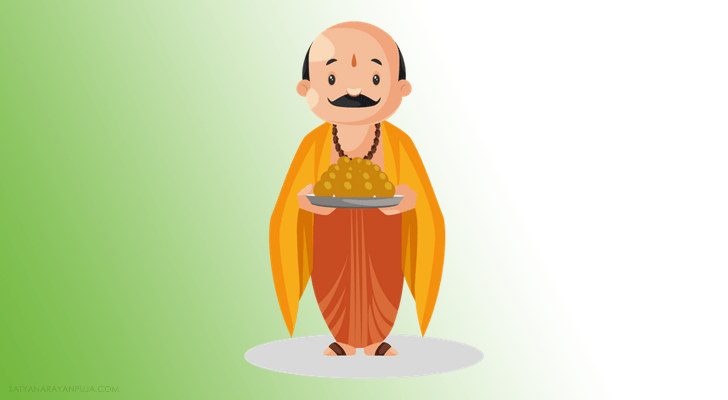
Prasad is central to Satyanarayan Puja. The vrat katha tells how the merchant's daughter Kalavati and King Tungadhvaj suffered when they ignored the Lord's prasad, so devotees take great care to prepare it with devotion and to share it with everyone present. The best-known Satyanarayan prasad is sheera, also called sapad bhakshya or sooji halwa, made with semolina, ghee, sugar, milk and banana. In much of North India, a roasted wheat flour prasad called panjiri is also common, and panchamrit is prepared in almost every home. Customs vary by region, so follow your family's practice where it differs.
Why "sava" measures are used
Traditionally, the main ingredients of the prasad are taken in "sava" measures, meaning one and a quarter of a unit: for example one and a quarter cups of semolina, one and a quarter cups of sugar and so on. Many families consider this measure auspicious for the Satyanarayan vrat. The recipe below follows this custom while keeping the quantities practical for a home kitchen.
Ingredients for Satyanarayan sheera
- Fine semolina (sooji or rava): 1¼ cups
- Ghee: ¾ to 1¼ cups (traditionally an equal sava measure; use less if you prefer)
- Sugar: 1¼ cups
- Milk: 2½ cups (or half milk and half water)
- Ripe bananas: 1 or 2, peeled and sliced or lightly mashed
- Green cardamom: 4 or 5 pods, seeds powdered
- Cashews: 10 to 12, halved
- Raisins: 1 tablespoon
- A few strands of saffron (optional)
- Tulsi leaves, to place on the prasad when it is offered
How to make Satyanarayan sheera
- Bathe and wear clean clothes before cooking, and use a clean kitchen and vessels. Do not taste the prasad while cooking; it is offered to the Lord first.
- Warm the milk in a separate pan and keep it hot. Add the saffron to it, if using.
- Heat 2 tablespoons of the ghee in a heavy-bottomed kadhai on a low flame. Fry the cashews until light golden, add the raisins until they swell, then lift them out and set aside.
- Add the rest of the ghee to the kadhai, then the semolina. Roast it on a low flame, stirring all the time, until it smells nutty and turns a pale golden colour. This usually takes around 8 to 10 minutes. Do not let it brown too much.
- Carefully pour in the hot milk, a little at a time, stirring continuously. The mixture will bubble and splutter, so keep your hand at a distance.
- Keep stirring until the semolina absorbs the milk and thickens, with no lumps.
- Add the sugar and stir. The sheera will loosen as the sugar melts, then thicken again.
- Add the banana and the cardamom powder, and mix gently.
- Cook for a few more minutes until the sheera comes away from the sides of the pan and the ghee begins to shine on the surface.
- Stir in the fried cashews and raisins. Transfer the sheera to a clean bowl, place a tulsi leaf on top and keep it covered until it is offered.
Panjiri (wheat flour prasad)
Many families in North India offer panjiri, either in place of sheera or alongside it.
- Roast 1¼ cups of whole wheat flour in about ½ cup of ghee on a low flame, stirring constantly, until it turns golden brown and smells roasted.
- Let it cool until it is just warm.
- Mix in 1¼ cups of powdered sugar (bura), a pinch of cardamom powder and chopped dry fruits such as almonds and cashews. Some families also add grated dry coconut or makhana.
- Offer it with a tulsi leaf on top.
Panchamrit
Panchamrit means "five nectars". It is used to bathe the idol and is also distributed as prasad.
- Milk: 1 cup
- Curd: 2 tablespoons
- Ghee: 1 teaspoon
- Honey: 1 teaspoon
- Sugar: 1 tablespoon
- A few tulsi leaves
Mix everything gently in a clean bowl until the sugar dissolves, and add the tulsi leaves. Some families also add chopped banana or makhana.
Offering and sharing the prasad
- Place the sheera, panjiri, panchamrit, bananas and fruits before the Lord during the naivedya step of the Satyanarayan Puja vidhi, each with a tulsi leaf.
- After the katha and aarti, share the prasad with everyone present, and then send it to neighbours and anyone who could not attend.
- Accept prasad with the right hand, with respect, and never refuse it.
- Prasad is best eaten fresh, on the same day.
For the full list of puja items, including prasad ingredients, see Satyanarayan Puja items.
सत्यनारायण पूजा में प्रसाद का विशेष महत्व है। व्रत कथा में बताया गया है कि साधु वणिक की पुत्री कलावती और राजा तुंगध्वज को भगवान के प्रसाद की उपेक्षा करने पर कष्ट उठाना पड़ा। इसलिए भक्त प्रसाद को बड़ी श्रद्धा से बनाते हैं और उपस्थित सभी लोगों में बांटते हैं। सत्यनारायण का सबसे प्रसिद्ध प्रसाद शीरा है, जिसे सपाद भक्ष्य या सूजी का हलवा भी कहते हैं। यह सूजी, घी, चीनी, दूध और केले से बनता है। उत्तर भारत के बड़े हिस्से में भुने हुए आटे की पंजीरी भी प्रचलित है, और लगभग हर घर में पंचामृत बनाया जाता है। क्षेत्र के अनुसार परंपराएं अलग होती हैं, इसलिए जहां आपके परिवार की रीति अलग हो, वहां उसी का पालन करें।
"सवा" माप का प्रयोग क्यों
परंपरा से प्रसाद की मुख्य सामग्री "सवा" माप में ली जाती है, यानी किसी इकाई का सवा गुना: जैसे सवा कप सूजी, सवा कप चीनी आदि। बहुत से परिवार सत्यनारायण व्रत के लिए इस माप को शुभ मानते हैं। नीचे दी गई विधि इसी परंपरा का पालन करती है और मात्रा को घर की रसोई के हिसाब से व्यावहारिक रखती है।
सत्यनारायण शीरा की सामग्री
- बारीक सूजी (रवा): सवा कप
- घी: पौना कप से सवा कप तक (परंपरा से सवा माप; चाहें तो कम लें)
- चीनी: सवा कप
- दूध: ढाई कप (या आधा दूध और आधा पानी)
- पके केले: 1 या 2, छीलकर कटे हुए या हल्के मसले हुए
- हरी इलायची: 4 या 5, दाने पीसे हुए
- काजू: 10 से 12, आधे कटे हुए
- किशमिश: 1 बड़ा चम्मच
- केसर के कुछ धागे (वैकल्पिक)
- भोग लगाते समय प्रसाद पर रखने के लिए तुलसी के पत्ते
सत्यनारायण शीरा बनाने की विधि
- प्रसाद बनाने से पहले स्नान करके साफ कपड़े पहनें, और साफ रसोई व बर्तनों का उपयोग करें। बनाते समय प्रसाद को चखें नहीं; पहले भगवान को भोग लगाया जाता है।
- एक अलग बर्तन में दूध गर्म करके गर्म ही रखें। केसर डालना हो तो इसी में डाल दें।
- भारी तले की कड़ाही में धीमी आंच पर 2 बड़े चम्मच घी गर्म करें। काजू को हल्का सुनहरा होने तक तलें, फिर किशमिश डालकर फूलने दें और दोनों को निकालकर अलग रख दें।
- बचा हुआ घी कड़ाही में डालें और फिर सूजी डालें। धीमी आंच पर लगातार चलाते हुए सूजी को तब तक भूनें जब तक उसमें से सोंधी खुशबू न आने लगे और रंग हल्का सुनहरा न हो जाए। इसमें आमतौर पर 8 से 10 मिनट लगते हैं। सूजी को ज़्यादा भूरा न होने दें।
- गर्म दूध को सावधानी से थोड़ा-थोड़ा डालें और लगातार चलाते रहें। मिश्रण उबलकर छींटे मारेगा, इसलिए हाथ दूर रखें।
- तब तक चलाते रहें जब तक सूजी दूध सोखकर गाढ़ी न हो जाए और उसमें गांठें न रहें।
- चीनी डालकर मिलाएं। चीनी घुलने पर शीरा थोड़ा पतला होगा और फिर से गाढ़ा हो जाएगा।
- केला और इलायची पाउडर डालकर हल्के हाथ से मिलाएं।
- कुछ मिनट और पकाएं, जब तक शीरा कड़ाही के किनारे न छोड़ने लगे और ऊपर घी चमकने न लगे।
- तले हुए काजू और किशमिश मिला दें। शीरे को साफ कटोरे में निकालें, ऊपर तुलसी का पत्ता रखें और भोग लगने तक ढककर रखें।
पंजीरी (आटे का प्रसाद)
उत्तर भारत के कई परिवार शीरे की जगह या उसके साथ पंजीरी का भोग लगाते हैं।
- सवा कप गेहूं का आटा लगभग आधा कप घी में धीमी आंच पर लगातार चलाते हुए तब तक भूनें जब तक वह सुनहरा भूरा न हो जाए और भुनी हुई खुशबू न आने लगे।
- इसे हल्का गुनगुना होने तक ठंडा होने दें।
- इसमें सवा कप पिसी चीनी (बूरा), एक चुटकी इलायची पाउडर और बादाम, काजू जैसे कटे हुए मेवे मिलाएं। कुछ परिवार कद्दूकस किया सूखा नारियल या मखाने भी डालते हैं।
- ऊपर तुलसी का पत्ता रखकर भोग लगाएं।
पंचामृत
पंचामृत का अर्थ है "पांच अमृत"। इससे भगवान की मूर्ति को स्नान कराया जाता है और इसे प्रसाद के रूप में भी बांटा जाता है।
- दूध: 1 कप
- दही: 2 बड़े चम्मच
- घी: 1 छोटा चम्मच
- शहद: 1 छोटा चम्मच
- चीनी: 1 बड़ा चम्मच
- कुछ तुलसी के पत्ते
सब कुछ एक साफ कटोरी में हल्के हाथ से तब तक मिलाएं जब तक चीनी घुल न जाए, फिर तुलसी के पत्ते डालें। कुछ परिवार इसमें कटा केला या मखाने भी डालते हैं।
प्रसाद का भोग और वितरण
- सत्यनारायण पूजा विधि के नैवेद्य चरण में शीरा, पंजीरी, पंचामृत, केले और फल भगवान के सामने रखें, हर एक पर तुलसी का पत्ता रखकर।
- कथा और आरती के बाद प्रसाद पहले सभी उपस्थित लोगों में बांटें, फिर पड़ोसियों और उन लोगों तक भी पहुंचाएं जो पूजा में नहीं आ सके।
- प्रसाद दाहिने हाथ से, आदर के साथ ग्रहण करें और इसे कभी मना न करें।
- प्रसाद ताज़ा, उसी दिन खाना सबसे अच्छा है।
प्रसाद की सामग्री सहित पूजा की पूरी सूची के लिए सत्यनारायण पूजा सामग्री देखें।