

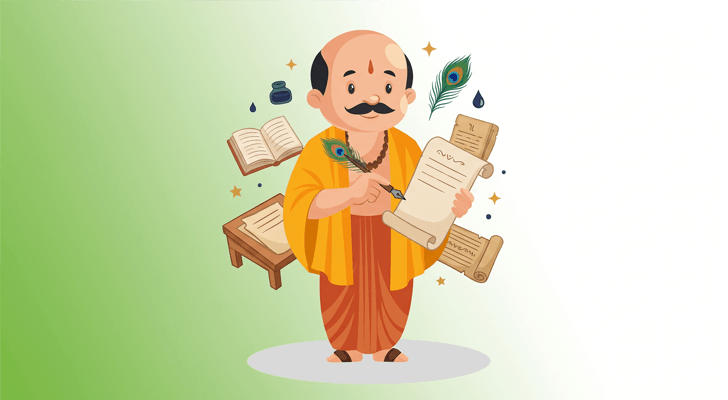
Here are five essays on Satyanarayan Puja in English for students and readers of all ages: a short 150-word essay, a longer 300-word essay, a school essay with headings, an essay on the message of the katha and an essay on celebrating the puja with family. You are welcome to use them for school work, speeches or simply to understand the puja better.
Short essay on Satyanarayan Puja (150 words)
Satyanarayan Puja is a popular Hindu ritual in which devotees worship Lord Satyanarayan, a kind and gentle form of Lord Vishnu. The word "satya" means truth and "Narayan" is a name of Vishnu, so Satyanarayan means "Narayan who is truth".
The puja is usually performed at home on Purnima, the full moon day, or on special occasions such as a housewarming, a wedding, a birthday or the start of a new job. The family sets up a decorated chowki with a picture of the Lord, a kalash and banana leaves. They offer flowers, fruits, tulsi leaves and panchamrit, and listen to the Satyanarayan Katha, which has five short chapters. Many devotees also fast until the puja is over.
The puja ends with the aarti "Om Jai Lakshmi Ramana" and the sharing of prasad with everyone present. Its message is simple: always speak the truth, keep your promises and respect what is offered to God.
Essay on Satyanarayan Puja (300 words)
India is a land of festivals and rituals, and among the many forms of worship performed in Hindu homes, Satyanarayan Puja holds a special place. It is simple, joyful and open to everyone, which is why it is performed by families in every part of the country.
Lord Satyanarayan is a form of Lord Vishnu. He is usually shown with four arms holding a conch, a discus, a mace and a lotus, and Goddess Lakshmi is worshipped with him. The story of the puja, called the Satyanarayan Katha, is traditionally attributed to the Reva Khanda of the Skanda Purana. In it, Sage Narada sees people suffering on earth and asks Lord Vishnu for a remedy, and the Lord describes this vrat.
The puja can be performed on any auspicious day, but Purnima is the most popular. Families also hold it on happy occasions like griha pravesh, marriage, the birth of a child or success in a new venture. On the day, the house is cleaned and decorated with mango leaves and rangoli. A chowki is set up with a picture or idol of the Lord, a kalash and banana leaves. The priest or the head of the family begins with a sankalp and the worship of Lord Ganesh, followed by the worship of Satyanarayan with flowers, fruits, tulsi and panchamrit.
Next, everyone listens to the five chapters of the katha. The stories of the poor Brahmin, the woodcutter, the merchant, his daughter Kalavati and King Tungadhvaj teach that truthfulness and keeping one's vows bring peace, while pride and broken promises bring trouble. After the aarti, prasad made of semolina, ghee, sugar, milk and banana is shared with all.
Satyanarayan Puja brings relatives, friends and neighbours together. It reminds everyone to be grateful, honest and humble, and that is why it remains so loved today.
Satyanarayan Puja essay for school students
Introduction
Satyanarayan Puja is a Hindu ritual dedicated to Lord Satyanarayan, a form of Lord Vishnu who stands for truth. It is one of the most common pujas performed in Indian homes and is loved for its simplicity and the happy gathering it creates.
Meaning of the name
"Satya" means truth and "Narayan" is a name of Lord Vishnu. Together, the name means "Narayan who is the embodiment of truth". The puja reminds devotees that truth is a form of God.
When it is performed
The puja is commonly performed on Purnima, the full moon day. Many families also perform it on Ekadashi or Sankranti, and on occasions such as a housewarming, a wedding, a birthday, a new job or business, or when a wish has been fulfilled. It is often done in the evening, though many families perform it at any convenient time of day.
Things needed for the puja
Common items include a picture or idol of Lord Satyanarayan, a wooden chowki with a clean cloth, a kalash with water, mango leaves and a coconut, banana leaves, flowers, tulsi leaves, roli, rice, betel leaves, fruits, incense, a ghee lamp, camphor, panchamrit and the prasad.
How the puja is done
The family bathes and wears clean clothes. The puja begins with a sankalp (a resolution) and the worship of Lord Ganesh, followed by kalash puja and, in many homes, navagraha puja. Then Lord Satyanarayan is worshipped with offerings. Everyone listens to the katha, sings the aarti "Om Jai Lakshmi Ramana" and finally receives prasad. Many people fast until the puja is over, though fasting is optional for those who cannot.
The story
The katha has five chapters. It tells of Sage Narada asking Lord Vishnu for a way to end human suffering, of a poor Brahmin and a woodcutter whose lives improved after the vrat, of a merchant who broke his promise and suffered for it, and of a king who disrespected prasad and learned his lesson.
Importance
The puja teaches truthfulness, gratitude, keeping promises and respect for prasad. It also brings families and neighbours together and creates a peaceful atmosphere at home.
Conclusion
Satyanarayan Puja is a beautiful tradition that combines devotion with good values. Its lesson that truth is God is as useful in a student's life as in anyone else's.
Essay on the message of the Satyanarayan Katha
Many people think of Satyanarayan Puja mainly as a ritual, but its heart lies in the katha, the sacred story read aloud during the puja. Narrated by Suta to the sages led by Shaunaka at Naimisharanya, the katha's five chapters are short, easy to follow and full of meaning. Each story carries a lesson that is as relevant today as it was centuries ago.
The first lesson is compassion. The katha begins with Sage Narada, who sees people on earth suffering and goes to Lord Vishnu to ask for a remedy. Narada does not ask for anything for himself; he asks for the good of others. The Lord responds by describing a simple vrat that anyone can perform.
The second lesson is that devotion is open to all. A poor Brahmin of Kashi and a humble woodcutter both perform the vrat and find their lives improved. Neither wealth nor status is needed, only faith and sincerity.
The third and most important lesson is truthfulness. The merchant Sadhu vows to perform the vrat if he is blessed with a child, but he keeps postponing it after his daughter Kalavati is born. Later he lies to the Lord, who appears as an ascetic, saying his boat carries only creepers and leaves, and his words come true. Only when he admits his mistake and begs forgiveness is his wealth restored. The story shows that a broken promise and a careless lie can cause great harm.
The fourth lesson is respect for prasad. Kalavati rushes to meet her husband without taking the prasad, and King Tungadhvaj ignores the prasad offered by simple cowherds. Both face trouble until they correct their mistake. For devotees, prasad is the Lord's blessing, so treating it lightly is seen as treating the Lord lightly.
Together these stories teach a complete way of living: care for others, sincere faith, honesty, humility and gratitude. That is why devotees believe that the true reward of the puja is not only outer success but an inner change of heart.
Essay on celebrating Satyanarayan Puja with family
For many Hindu families, Satyanarayan Puja is as much a family gathering as it is a religious ritual. Preparations often begin a day early: the house is cleaned, fruits and flowers are bought, and relatives and neighbours are invited to join.
On the day of the puja, the home fills with activity. The front door is decorated with a string of mango leaves, and a colourful rangoli is drawn at the entrance. The prasad is prepared with care: semolina roasted in ghee, cooked with milk and sugar and mixed with banana, traditionally in "sava" (one and a quarter) measures. By custom, nobody tastes it before it is offered to the Lord.
In the evening, a wooden chowki is covered with a red or yellow cloth, the picture of Lord Satyanarayan is placed on it, and banana leaves are tied at the corners to form a small mandap. The kalash is filled with water and topped with mango leaves and a coconut. When the guests arrive, everyone sits together as the priest or an elder of the family begins with the worship of Lord Ganesh.
Children often enjoy the katha the most. They listen to the stories of the poor Brahmin, the woodcutter, the merchant who forgot his promise and the king who ignored the prasad. Elders often remind them that the stories are really about telling the truth and keeping one's word.
After the aarti, with everyone singing "Om Jai Lakshmi Ramana" as the camphor flame is waved, the prasad is shared among all present. A meal, laughter and long conversations often follow. In this way Satyanarayan Puja becomes a celebration of togetherness, teaching young and old alike to be thankful for what they have.
Read more
To learn more about the puja, read the full Satyanarayan Katha, the step-by-step puja vidhi and the significance of Satyanarayan Puja.
यहाँ विद्यार्थियों और सभी आयु के पाठकों के लिए सत्यनारायण पूजा पर हिंदी में पाँच निबंध दिए गए हैं: 150 शब्दों का छोटा निबंध, 300 शब्दों का निबंध, शीर्षकों वाला विद्यालय निबंध, कथा के संदेश पर निबंध और परिवार के साथ पूजा मनाने पर निबंध। आप इन्हें विद्यालय के काम, भाषण या पूजा को बेहतर समझने के लिए पढ़ सकते हैं।
सत्यनारायण पूजा पर छोटा निबंध (150 शब्द)
सत्यनारायण पूजा हिंदू धर्म का एक लोकप्रिय अनुष्ठान है, जिसमें भगवान विष्णु के कृपालु और सौम्य रूप भगवान सत्यनारायण की पूजा की जाती है। "सत्य" का अर्थ है सच और "नारायण" विष्णु का नाम है, इसलिए सत्यनारायण का अर्थ है "सत्य स्वरूप नारायण"।
यह पूजा प्रायः घर पर पूर्णिमा के दिन या गृह प्रवेश, विवाह, जन्मदिन या नई नौकरी जैसे शुभ अवसरों पर की जाती है। परिवार भगवान की तस्वीर, कलश और केले के पत्तों से सजी चौकी तैयार करता है। फूल, फल, तुलसी दल और पंचामृत अर्पित किए जाते हैं और सत्यनारायण कथा सुनी जाती है, जिसमें पाँच छोटे अध्याय हैं। बहुत से भक्त पूजा पूरी होने तक व्रत भी रखते हैं।
पूजा "ॐ जय लक्ष्मी रमणा" आरती और सभी को प्रसाद बाँटने के साथ पूरी होती है। इसका संदेश सरल है: सदा सच बोलें, अपना वचन निभाएँ और भगवान को अर्पित वस्तु का सम्मान करें।
सत्यनारायण पूजा पर निबंध (300 शब्द)
भारत त्योहारों और परंपराओं का देश है। हिंदू घरों में होने वाली अनेक पूजाओं में सत्यनारायण पूजा का विशेष स्थान है। यह सरल, आनंददायक और सबके लिए सुलभ है, इसलिए देश के हर कोने में परिवार इसे श्रद्धा से करते हैं।
भगवान सत्यनारायण भगवान विष्णु का ही एक रूप हैं। उन्हें प्रायः शंख, चक्र, गदा और पद्म धारण किए चार भुजाओं वाले रूप में दिखाया जाता है और उनके साथ देवी लक्ष्मी की पूजा होती है। इस पूजा की कहानी, जिसे सत्यनारायण कथा कहते हैं, परंपरागत रूप से स्कंद पुराण के रेवा खंड से जुड़ी मानी जाती है। इसमें नारद मुनि पृथ्वी पर लोगों को दुखी देखकर भगवान विष्णु से उपाय पूछते हैं और भगवान उन्हें यह व्रत बताते हैं।
यह पूजा किसी भी शुभ दिन की जा सकती है, पर पूर्णिमा सबसे लोकप्रिय है। परिवार इसे गृह प्रवेश, विवाह, संतान जन्म या किसी नए काम में सफलता जैसे खुशी के अवसरों पर भी करते हैं। उस दिन घर की सफाई होती है और आम के पत्तों के तोरण और रंगोली से सजावट की जाती है। चौकी पर भगवान की तस्वीर या मूर्ति, कलश और केले के पत्ते रखे जाते हैं। पंडित जी या घर के मुखिया संकल्प और गणेश पूजन से शुरुआत करते हैं, फिर फूल, फल, तुलसी और पंचामृत से सत्यनारायण भगवान की पूजा होती है।
इसके बाद सभी कथा के पाँच अध्याय सुनते हैं। गरीब ब्राह्मण, लकड़हारे, साधु वैश्य, उसकी बेटी कलावती और राजा तुंगध्वज की कहानियाँ सिखाती हैं कि सत्य और वचन पालन से शांति मिलती है, जबकि अहंकार और टूटे वादे दुख लाते हैं। आरती के बाद सूजी, घी, चीनी, दूध और केले से बना प्रसाद सबको बाँटा जाता है।
सत्यनारायण पूजा रिश्तेदारों, मित्रों और पड़ोसियों को एक साथ लाती है। यह सबको कृतज्ञ, ईमानदार और विनम्र रहने की याद दिलाती है, इसीलिए यह आज भी इतनी प्रिय है।
विद्यार्थियों के लिए सत्यनारायण पूजा पर निबंध
प्रस्तावना
सत्यनारायण पूजा भगवान सत्यनारायण को समर्पित एक हिंदू अनुष्ठान है। भगवान सत्यनारायण विष्णु का वह रूप हैं जो सत्य का प्रतीक है। यह भारतीय घरों में सबसे अधिक की जाने वाली पूजाओं में से एक है और अपनी सरलता और आनंदमय मिलन के कारण सबको प्रिय है।
नाम का अर्थ
"सत्य" का अर्थ है सच और "नारायण" भगवान विष्णु का नाम है। दोनों मिलकर "सत्य के साक्षात स्वरूप नारायण" का अर्थ देते हैं। यह पूजा याद दिलाती है कि सत्य ही ईश्वर का रूप है।
पूजा कब की जाती है
यह पूजा प्रायः पूर्णिमा के दिन की जाती है। बहुत से परिवार इसे एकादशी या संक्रांति पर और गृह प्रवेश, विवाह, जन्मदिन, नई नौकरी या व्यापार, या मनोकामना पूरी होने जैसे अवसरों पर भी करते हैं। अक्सर यह शाम को होती है, हालाँकि कई परिवार दिन में किसी भी सुविधाजनक समय इसे करते हैं।
पूजा की सामग्री
आम तौर पर भगवान सत्यनारायण की तस्वीर या मूर्ति, साफ कपड़े से ढकी लकड़ी की चौकी, जल से भरा कलश, आम के पत्ते और नारियल, केले के पत्ते, फूल, तुलसी दल, रोली, अक्षत, पान, फल, धूप, घी का दीपक, कपूर, पंचामृत और प्रसाद की आवश्यकता होती है।
पूजा की विधि
परिवार के लोग स्नान करके साफ कपड़े पहनते हैं। पूजा संकल्प और गणेश पूजन से शुरू होती है, फिर कलश पूजन और कई घरों में नवग्रह पूजन होता है। इसके बाद भगवान सत्यनारायण की पूजा होती है। सभी कथा सुनते हैं, "ॐ जय लक्ष्मी रमणा" आरती गाते हैं और अंत में प्रसाद ग्रहण करते हैं। बहुत से लोग पूजा पूरी होने तक व्रत रखते हैं, हालाँकि जो व्रत न रख सकें उनके लिए यह अनिवार्य नहीं है।
कथा
कथा में पाँच अध्याय हैं। इसमें नारद मुनि द्वारा भगवान विष्णु से मनुष्यों के दुख दूर करने का उपाय पूछने, व्रत के बाद गरीब ब्राह्मण और लकड़हारे के जीवन में सुधार, वचन तोड़ने वाले साधु वैश्य के कष्ट और प्रसाद का अनादर करने वाले राजा को मिली सीख की कहानियाँ हैं।
महत्व
यह पूजा सत्य, कृतज्ञता, वचन पालन और प्रसाद के सम्मान की शिक्षा देती है। यह परिवार और पड़ोसियों को भी एक साथ लाती है और घर में शांत वातावरण बनाती है।
उपसंहार
सत्यनारायण पूजा एक सुंदर परंपरा है जिसमें भक्ति और अच्छे संस्कार साथ-साथ चलते हैं। "सत्य ही ईश्वर है" की इसकी सीख एक विद्यार्थी के जीवन में भी उतनी ही उपयोगी है जितनी किसी और के जीवन में।
सत्यनारायण कथा के संदेश पर निबंध
बहुत से लोग सत्यनारायण पूजा को केवल एक अनुष्ठान मानते हैं, पर इसका हृदय उसकी कथा में है, जो पूजा के समय पढ़ी जाती है। नैमिषारण्य में सूत जी द्वारा शौनक आदि ऋषियों को सुनाई गई इस कथा के पाँच अध्याय छोटे, सरल और अर्थ से भरे हैं। हर कहानी में ऐसी सीख है जो आज भी उतनी ही सार्थक है जितनी सदियों पहले थी।
पहली सीख करुणा की है। कथा नारद मुनि से शुरू होती है, जो पृथ्वी पर लोगों को दुखी देखकर भगवान विष्णु से उपाय पूछने जाते हैं। नारद अपने लिए कुछ नहीं माँगते, वे दूसरों का भला चाहते हैं। भगवान उत्तर में एक सरल व्रत बताते हैं जिसे कोई भी कर सकता है।
दूसरी सीख यह है कि भक्ति सबके लिए खुली है। काशी का एक गरीब ब्राह्मण और एक साधारण लकड़हारा, दोनों यह व्रत करते हैं और उनका जीवन सुधर जाता है। इसके लिए धन या पद की नहीं, केवल श्रद्धा और सच्चे मन की आवश्यकता है।
तीसरी और सबसे महत्वपूर्ण सीख सत्य की है। साधु वैश्य संतान होने पर व्रत करने का वचन देता है, पर बेटी कलावती के जन्म के बाद वह उसे टालता रहता है। बाद में वह संन्यासी के वेश में आए भगवान से झूठ बोलता है कि उसकी नाव में केवल लता-पत्ते हैं, और उसके शब्द सच हो जाते हैं। जब वह अपनी भूल मानकर क्षमा माँगता है, तभी उसका धन लौटता है। यह कहानी दिखाती है कि टूटा वचन और लापरवाही से बोला गया झूठ कितना नुकसान कर सकता है।
चौथी सीख प्रसाद के सम्मान की है। कलावती प्रसाद लिए बिना पति से मिलने दौड़ जाती है और राजा तुंगध्वज ग्वालों द्वारा दिए गए प्रसाद की उपेक्षा करता है। दोनों को तब तक कष्ट मिलता है जब तक वे अपनी भूल नहीं सुधारते। भक्तों के लिए प्रसाद भगवान का आशीर्वाद है, इसलिए उसका अनादर भगवान के अनादर के समान माना जाता है।
ये सभी कहानियाँ मिलकर जीवन जीने का पूरा तरीका सिखाती हैं: दूसरों की चिंता, सच्ची श्रद्धा, ईमानदारी, विनम्रता और कृतज्ञता। इसीलिए भक्त मानते हैं कि पूजा का असली फल केवल बाहरी सफलता नहीं, बल्कि मन का भीतरी परिवर्तन है।
परिवार के साथ सत्यनारायण पूजा मनाने पर निबंध
बहुत से हिंदू परिवारों के लिए सत्यनारायण पूजा जितना धार्मिक अनुष्ठान है, उतना ही परिवार के मिलने-जुलने का अवसर भी है। तैयारी अक्सर एक दिन पहले से शुरू हो जाती है: घर की सफाई होती है, फल-फूल खरीदे जाते हैं और रिश्तेदारों व पड़ोसियों को पूजा में आने का निमंत्रण दिया जाता है।
पूजा के दिन घर में चहल-पहल रहती है। मुख्य दरवाज़े पर आम के पत्तों का तोरण बाँधा जाता है और द्वार पर रंग-बिरंगी रंगोली बनाई जाती है। प्रसाद बड़े मन से बनाया जाता है: घी में भुनी सूजी को दूध और चीनी के साथ पकाकर उसमें केला मिलाया जाता है, और परंपरा से यह सवा के माप में बनता है। रीति के अनुसार भगवान को भोग लगाए बिना इसे कोई नहीं चखता।
शाम को लकड़ी की चौकी पर लाल या पीला कपड़ा बिछाया जाता है, उस पर भगवान सत्यनारायण का चित्र रखा जाता है और कोनों पर केले के पत्ते बाँधकर छोटा-सा मंडप बनाया जाता है। कलश में जल भरकर उस पर आम के पत्ते और नारियल रखे जाते हैं। मेहमानों के आने पर सब साथ बैठते हैं और पंडित जी या परिवार के कोई बड़े गणेश पूजन से पूजा आरंभ करते हैं।
बच्चों को अक्सर कथा का समय सबसे अच्छा लगता है। वे गरीब ब्राह्मण, लकड़हारे, अपना वचन भूल जाने वाले साधु वैश्य और प्रसाद की उपेक्षा करने वाले राजा की कहानियाँ ध्यान से सुनते हैं। बड़े उन्हें याद दिलाते हैं कि ये कहानियाँ असल में सच बोलने और अपना वचन निभाने की सीख देती हैं।
आरती में जब सब मिलकर "ॐ जय लक्ष्मी रमणा" गाते हैं और कपूर की लौ घुमाई जाती है, उसके बाद सभी में प्रसाद बाँटा जाता है। फिर प्रायः भोजन, हँसी और देर तक बातें होती हैं। इस तरह सत्यनारायण पूजा मिल-जुलकर रहने का उत्सव बन जाती है, जो बड़ों और बच्चों, सभी को अपने पास जो कुछ है उसके लिए आभारी रहना सिखाती है।
और पढ़ें
पूजा के बारे में अधिक जानने के लिए पूरी सत्यनारायण कथा, क्रमवार पूजा विधि और सत्यनारायण पूजा का महत्व पढ़ें।